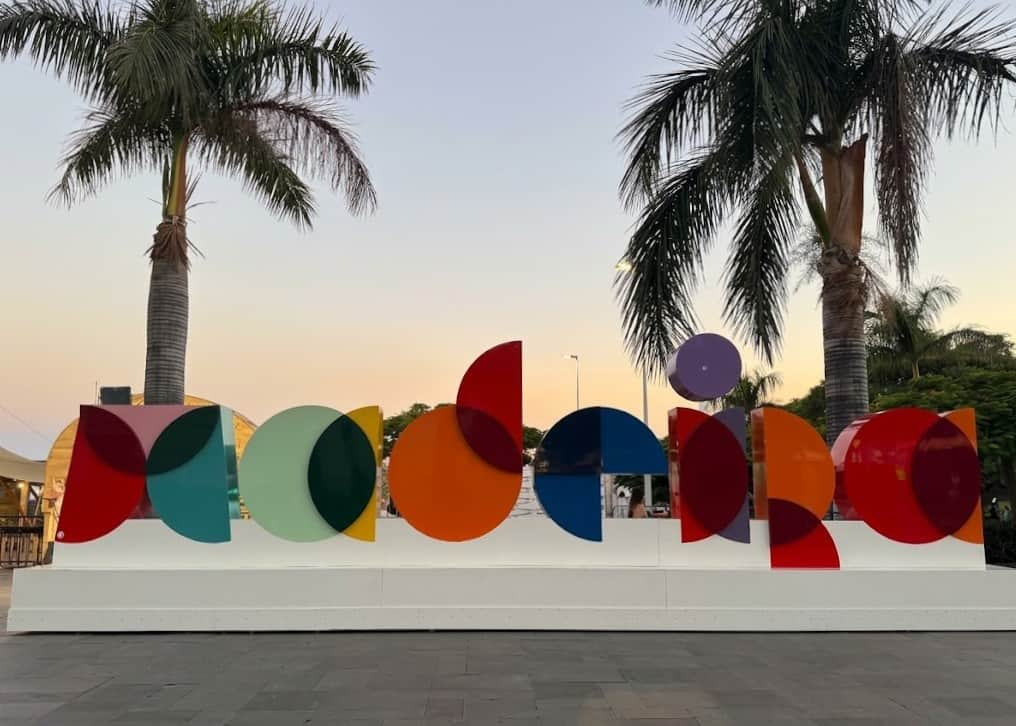
Things to do in central Funchal
The island's capital strikes a perfect balance between five centuries of maritime heritage and lush, tropical nature: cobbled, time-worn streets and Manueline monuments sit right alongside palm trees, exotic gardens and waves crashing against the rocks.
Whether you're wandering among the painted doors of the Old Town or admiring the bay from a cable car climbing up the hillside, every corner of Funchal has a story to tell. Below, we've gathered the city's most memorable sights and experiences, from the bustling market to peaceful hillside gardens, all unmissable stops on any journey of discovery through Funchal.
You'll find details of Funchal's beaches and churches on separate pages.
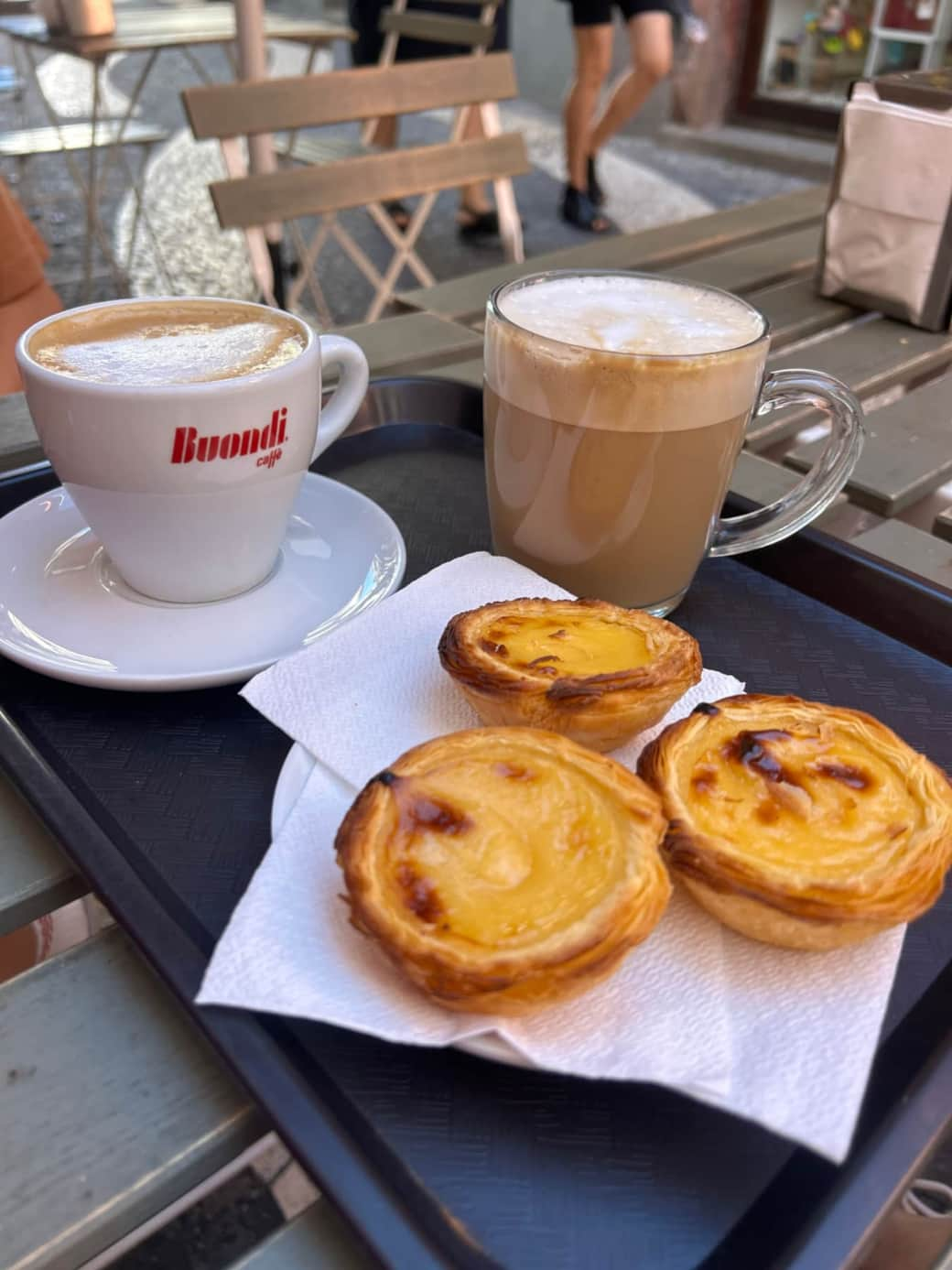
NATA 7 - Ferreiros
Pastel de nata is Portugal's most famous and best-loved traditional pastry: a crisp, flaky pastry case filled with a creamy egg custard, its top beautifully caramelised in a hot oven. The pastry was invented by the monks of the Jerónimos Monastery in Lisbon's Belém district. They used egg whites to starch their clothes, and baked sweets with the leftover yolks. When the monasteries were closed in 1834, the recipe was sold to a nearby bakery, which has been baking the original pastéis de Belém to a secret recipe ever since 1837. Portuguese people love to eat them warm, sprinkled with cinnamon or icing sugar, alongside a small black coffee.
The café owes its reputation to its pastries, which come out of the oven fresh and warm almost non-stop, and to its excellent coffee.
There are several branches. The great advantage of NATA 7 Ferreiros in central Funchal (Rua dos Ferreiros 69) is its location: although it's barely a two-minute walk from Funchal Cathedral, its quieter side street lets you escape the crowds of tourists on the main street.
With its friendly service, authentic atmosphere and good prices, it's the ideal stop for a quick, quality breakfast or an afternoon espresso during your stroll around town.
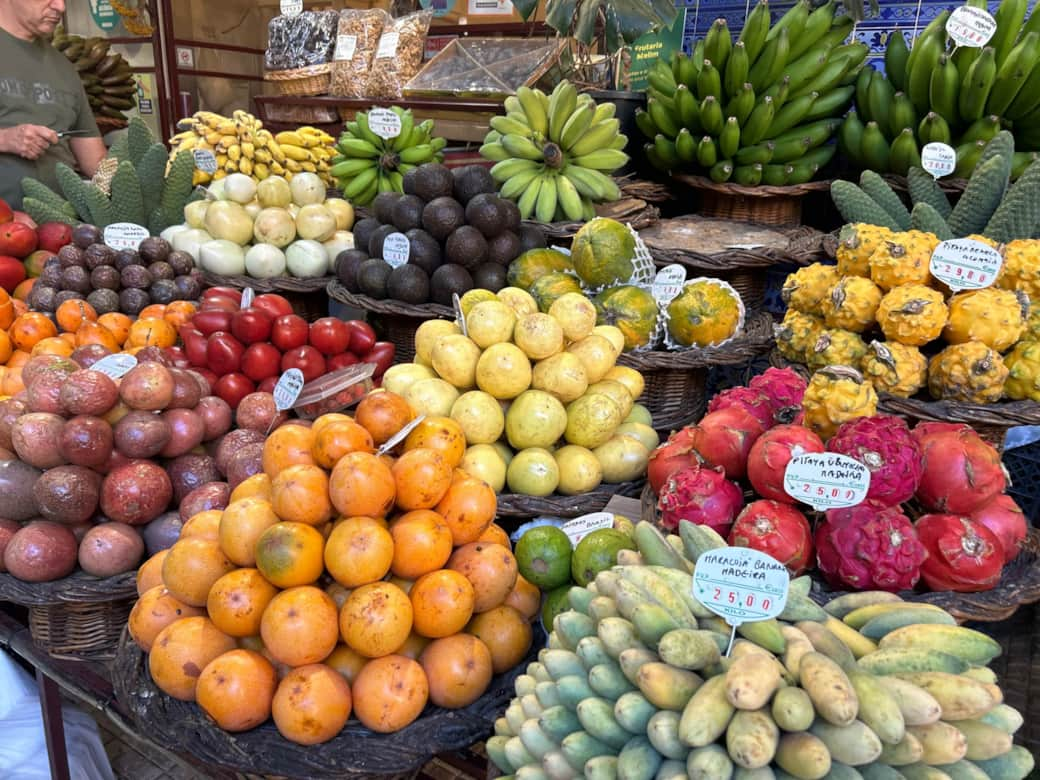
Mercado dos Lavradores
The building that houses the market is one of the landmarks of central Funchal. It opened in 1940 and bears the hallmarks of the Art Deco style.
The entrance and inner walls of this two-storey market hall, built around an open courtyard, are decorated with painted tile panels (azulejos) depicting market scenes and the work of local small farmers. At the entrance and in the courtyard you'll be greeted by flower sellers and fruit stalls, the upper gallery is lined with exotic fruit, vegetables and local products, and in the fish hall at the back, fishmongers sell the day's fresh catch, including the deep-sea black scabbardfish (espada).
The building is an integral part of everyday city life, where the authentic atmosphere of a local market meets Madeira's unique natural treasures. It's best to come in the morning, when the market is at its busiest and the produce is freshest.
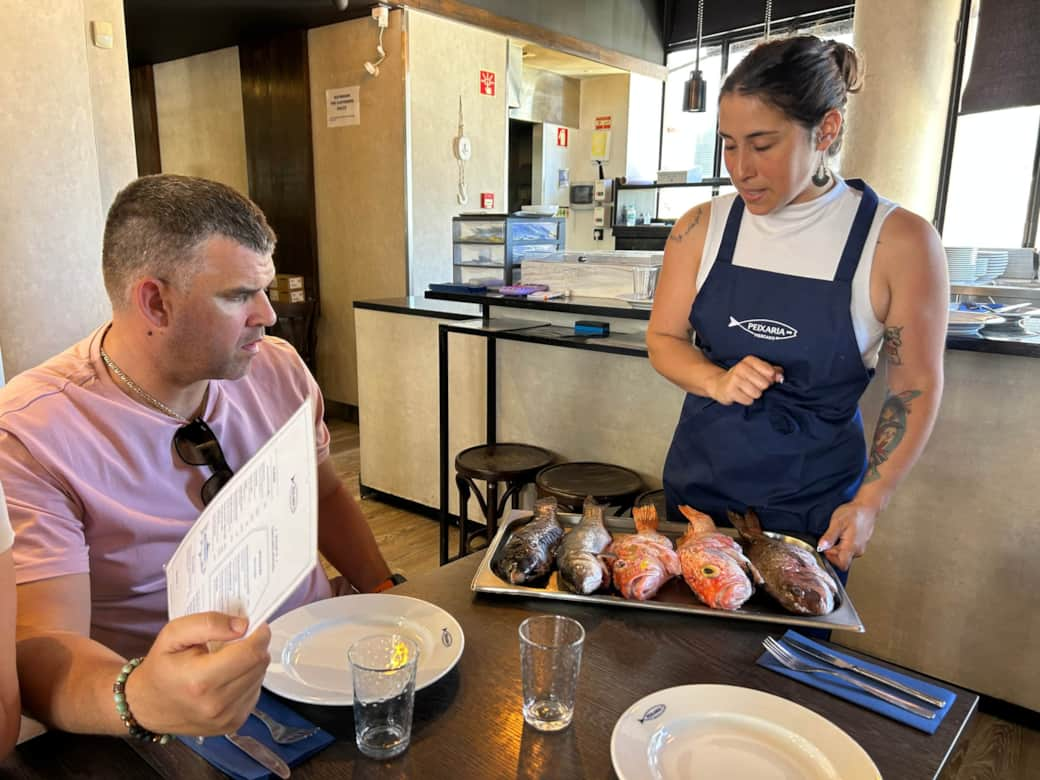
Peixaria no Mercado
This restaurant, to the right of the market's main entrance, is all about freshness: the fish and seafood on the menu come straight from the neighbouring fish hall and local fishermen.
It's a popular spot for anyone wanting to try authentic, locally prepared black scabbardfish (espada), grilled squid or tuna, right in the lively bustle of the market.
The Madeiran speciality espada com banana (scabbardfish with fried banana) often features on the menu, and it's well worth trying.
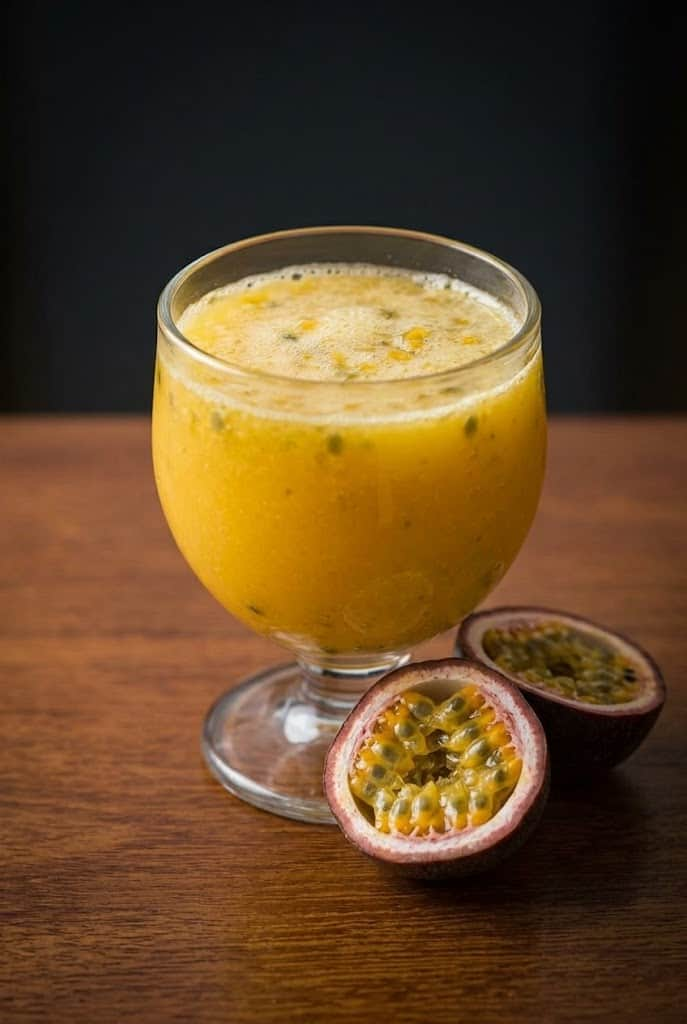
Poncha
The locals' must-try drink! Poncha is Madeira's iconic traditional alcoholic drink, with roots in the world of sailors and fishermen. According to tradition, it comes from the fishing village of Câmara de Lobos, where fishermen drank it on cold nights and to ward off colds.
It has three main ingredients: local sugar cane spirit (aguardente de cana), freshly squeezed lemon or orange juice, and honey or sugar. It is always made fresh to order. The ingredients are mixed briskly with a special carved wooden stick (mexelote, popularly known as caralhinho), spun between the palms until the honey has fully dissolved and the drink turns gently frothy.
A deceptive drink: the sweetness of the honey and the fresh citrus almost completely hide its considerable alcohol content, so it goes down very easily. Best enjoyed with care! Classic and modern versions:
- Poncha à Pescador (fisherman's poncha): the oldest and purest version, made only with sugar cane spirit, fresh lemon juice and sugar.
- Poncha Regional: the most popular traditional recipe, with orange juice and honey alongside the lemon juice.
- Fruit versions: tropical fruit versions are now very common, with passion fruit (poncha de maracujá) and tangerine (tangerina) the most popular.
You'll find poncha in any bar, but we recommend this place: Snack-Bar Pão de Ló (Rua da Alfândega 115), and here, go for the passion fruit one! Tripadvisor
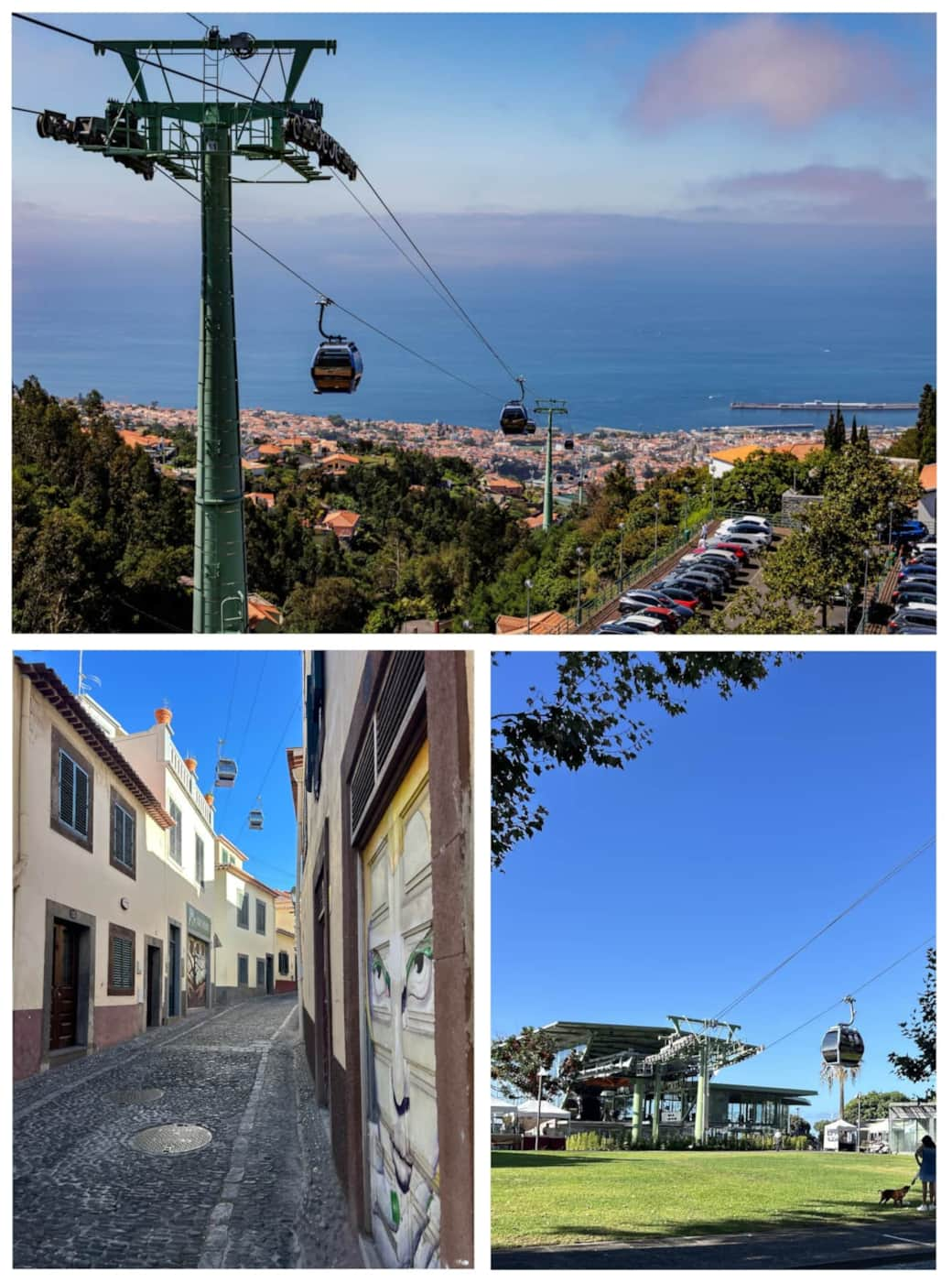
Teleférico do Monte
The Monte cable car (Teleférico do Funchal) is one of Madeira's most popular experiences, linking Funchal's Old Town with the cooler hillside district of Monte.
During the 15–20-minute ride, the enclosed cabins slowly rise above the narrow streets of the city centre, terraced gardens and steep ravines. From the cabins, a magnificent panorama of the Bay of Funchal and the endless Atlantic gradually unfolds.
The lower station is in the Old Town, on the seafront by the Almirante Reis garden, and the upper station is right next to the famous Monte Palace Tropical Garden, not far from the Church of Nossa Senhora do Monte.
A bit of history: before the cable car, the Monte rack railway (Comboio do Monte) carried passengers up the mountain between 1893 and 1943, and some of its former station buildings can still be seen around Monte.
Tip for getting down: many visitors buy a one-way ticket up, then slide down the hillside on the famous wicker toboggans (carros de cesto), or switch to the second cable car leading to the Botanical Garden (Teleférico do Jardim Botânico).
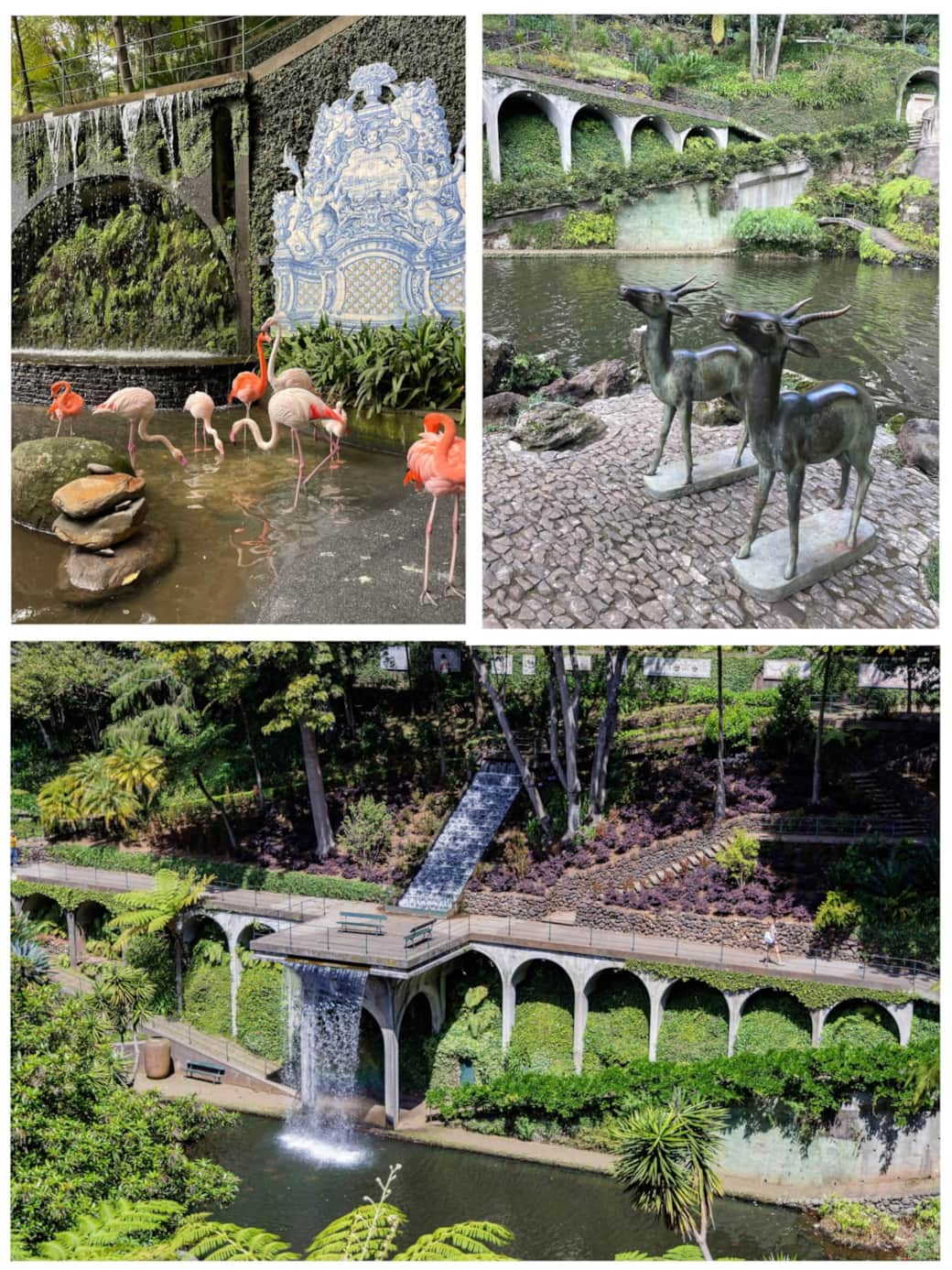
Jardim Monte Palace Madeira -Monte Palace Tropical Garden
The Monte Palace Tropical Garden lies above Funchal at an altitude of around 550–600 metres and is home to one of the island's most impressive plant collections.
The history of this 70,000-square-metre, multi-level park, built on a steep hillside, goes back to the late 18th century, when a British consul created a grand estate here. In the late 19th century a villa was built on the site, which later became a hotel, and in 1987 it was bought by the businessman Joe Berardo, who created the artistic and botanical paradise you see today.
The garden's highlights:
- Extraordinary plant life: alongside exotic plants from all over the world (rare ferns, cycads, proteas, azaleas), you'll also find characteristic species of Madeira's native laurel forest (Laurisilva).
- Oriental-style gardens: one of the most spectacular parts of the garden is a system of lakes with two Japanese-style gardens, complete with pagodas, red bridges, lanterns and colourful koi carp swimming in the ponds.
- Tile art and sculptures: along the paths you'll find a remarkably rich collection of hand-painted Portuguese tile panels (azulejos) from the 15th to the 20th century, depicting historical events and religious scenes.
- Monte Palace Museum: the museum within the garden houses Zimbabwean stone sculptures and a remarkable collection of minerals and gemstones.
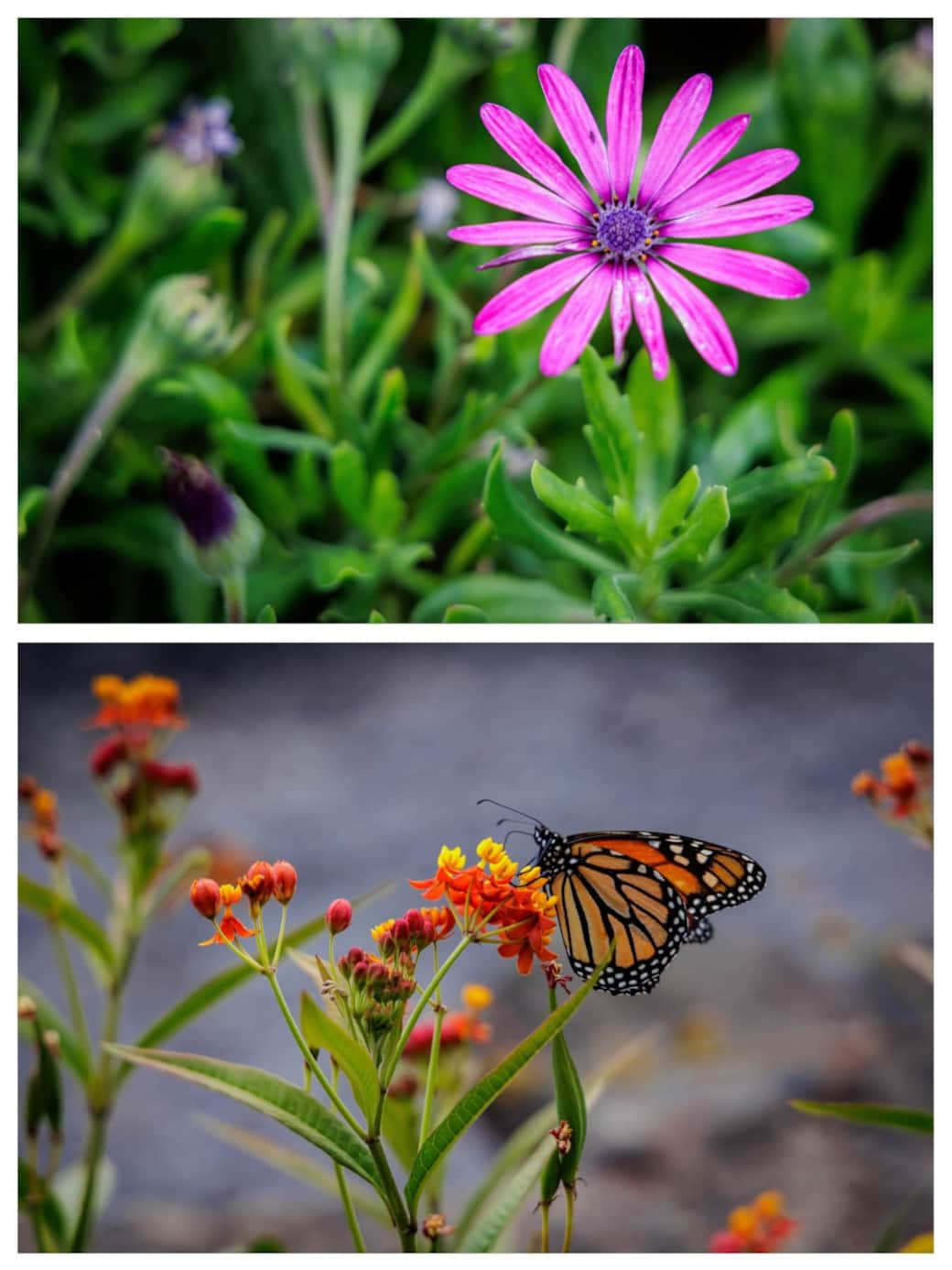
Jardim Botânico da Madeira -Madeira Botanical Garden
The garden (Jardim Botânico da Madeira – Eng.º Rui Vieira) lies on a hillside above Funchal, about 3 km from the city centre, on the former estate of the Reid family, Quinta do Bom Sucesso. Opened in 1960, the garden covers around 8 hectares, and its terraced layout not only offers stunning views of the city and the ocean but also serves as a living museum of the island's unique plant life.
- Geometric flower beds: the garden's most iconic feature is the terrace of colourful, neatly clipped plants arranged in carpet-like geometric patterns, which appears on almost every postcard of Madeira.
- Thousands of plants: the garden is home to more than 2,000 exotic and native plant species. Separate sections showcase rare plants of Madeira's laurel forests (Laurisilva), tropical and subtropical species, succulents, cacti and medicinal herbs.
- Natural History Museum: the estate's elegant main building houses a small natural history museum presenting the island's geology, flora and fauna.
The garden is directly connected to Monte by the Botanical Garden cable car (Teleférico do Jardim Botânico), so it's easy to combine with the Monte Palace Tropical Garden in a single outing.
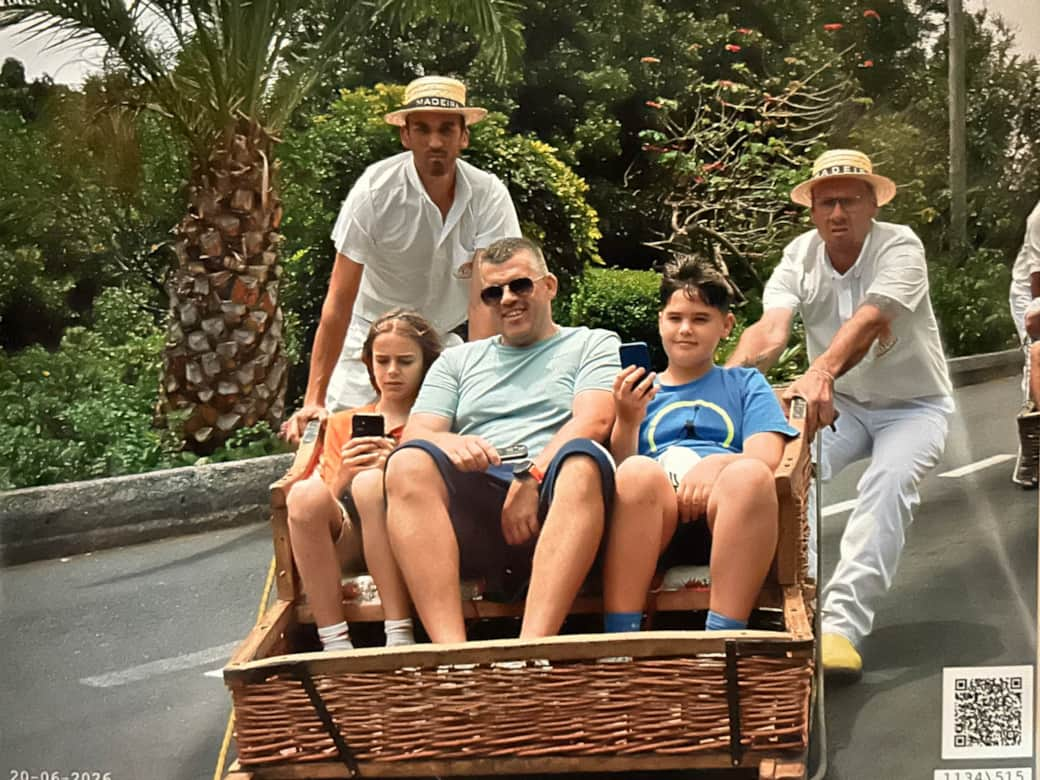
Toboggan
The toboggan ride, or wicker sledge ride (carros de cesto), is one of Madeira's best-known traditions, famous all over the world. These hand-woven wicker sledges first appeared in the mid-19th century, when residents of Monte were looking for a quick and comfortable way to get down the steep slopes into central Funchal.
Each sledge is steered by two drivers (carreiros) dressed in white with straw hats, wearing thick rubber-soled boots. They use these as brakes while steering and balancing the sledge along the tarmac streets. The ride of about 2 kilometres starts just below the steps of the Monte church and ends in Livramento, and on the slopes the sledges can reach speeds of 30–40 km/h. The combination of a relaxing cable car ride and a traditional toboggan run is still one of the island's most popular experiences.
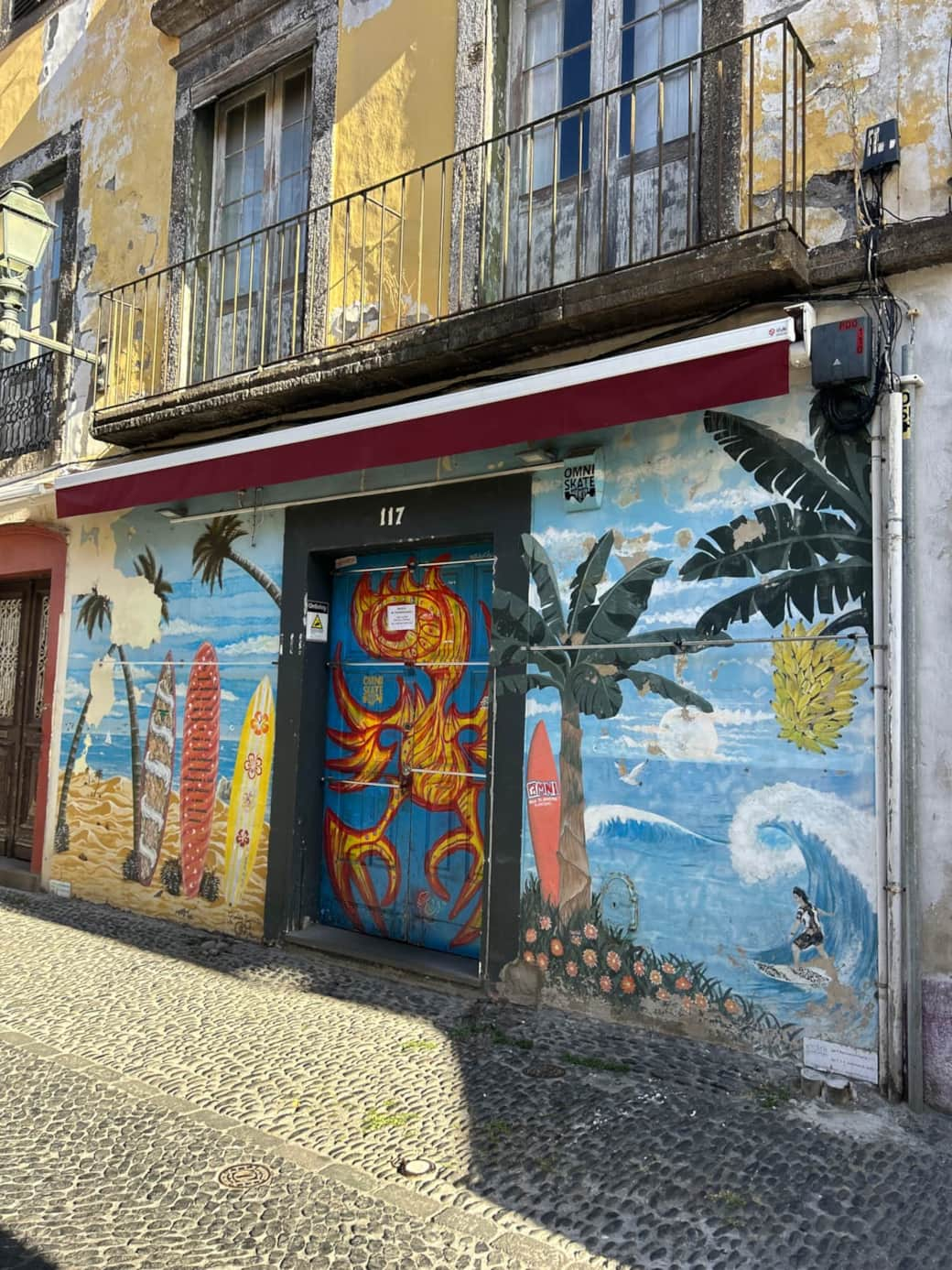
Old Town (Zona Velha) – Rua de Santa Maria
Rua de Santa Maria is the heart and oldest street of Funchal's Old Town (Zona Velha), with a history going back to the 15th century and the very earliest days of the city. Once home to humble fishermen and craftsmen, this narrow cobbled street has kept its authentic, time-worn character over the centuries, and in the early 2010s it became a true open-air gallery thanks to the hugely successful Arte de Portas Abertas (Art of Open Doors) project.
- Gallery of painted doors: local and international artists have decorated the wooden doors of the street's old houses, restaurants and shops with unique paintings, motifs and sculptural elements, bringing a once-neglected neighbourhood back to life.
- Food and community hub: by day the cobbled street is quieter, a good time to take in the details and the old buildings, while in the evening it comes alive. The terraces of traditional taverns and restaurants on the ground floors create a lively, warm atmosphere.
- Historical connection: the street starts near the market (Mercado dos Lavradores) and runs east past the Corpo Santo Chapel (Capela do Corpo Santo) all the way to São Tiago Fort and the rocky shore, offering a perfect cross-section of Funchal's maritime heritage.
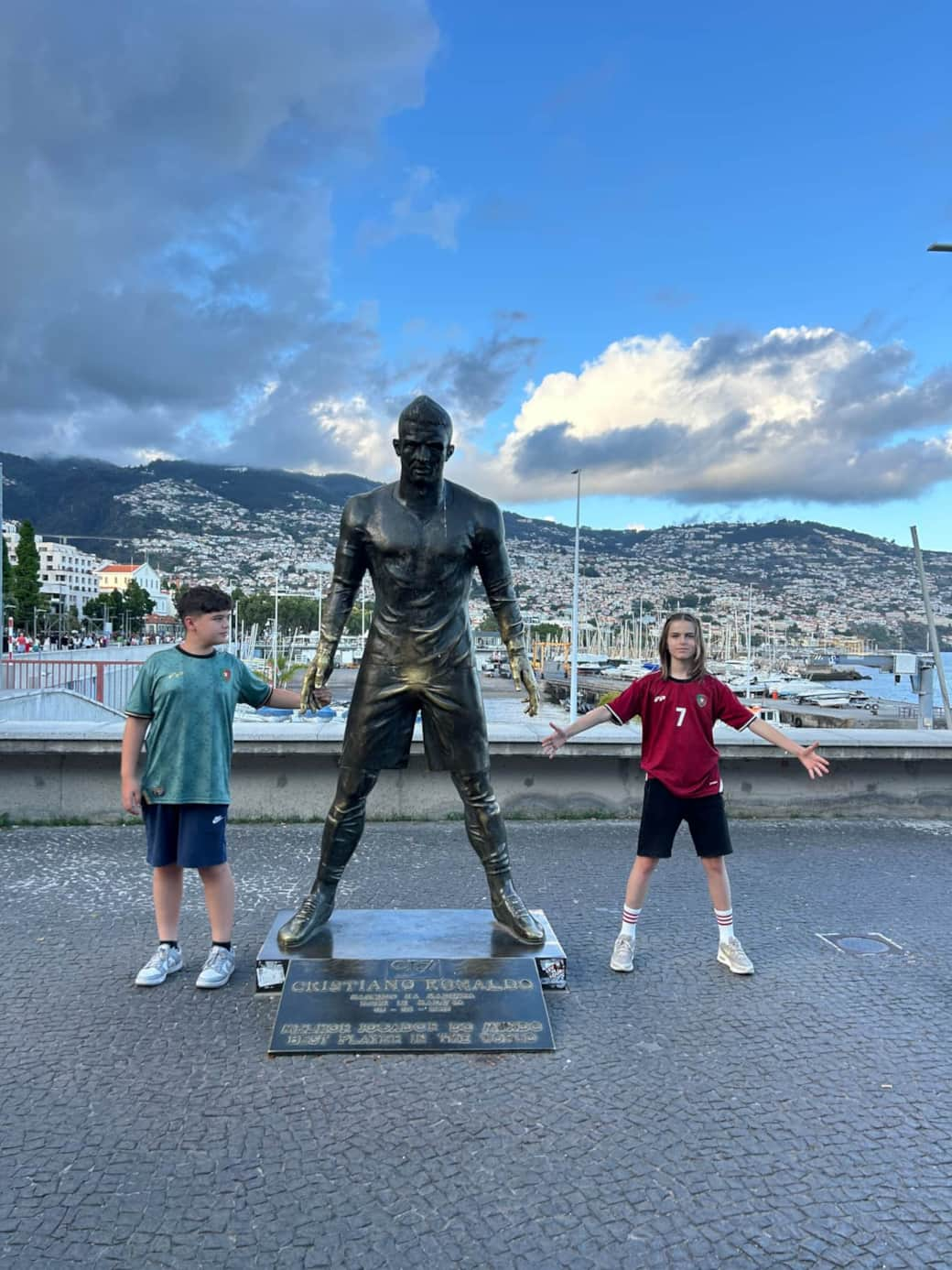
CR7 (Cristiano Ronaldo) Museum
The CR7 Museu is located near Funchal's harbour, on Praça CR7 on Avenida Sá Carneiro, and showcases the career of the island's most famous son, Cristiano Ronaldo. The complex, which also includes a design hotel bearing the footballer's name, is not only one of the most spectacular collections in modern sporting history but also a symbol of Madeira's contemporary identity and worldwide fame.
- Trophies and memorabilia: the exhibition covers Ronaldo's entire career, including his individual awards (such as his Ballon d'Or and Golden Shoe trophies), replicas of the cups he won with his clubs and the Portuguese national team, and signed shirts and boots.
- Interactive experiences: a life-size wax figure and interactive photo points let visitors take a "photo" with the superstar.
- Statue and harbour views: in front of the museum stands a monumental bronze statue of Cristiano Ronaldo, which has become one of Funchal's most popular photo spots.
The museum can be a special experience for younger visitors too: football fans can follow every stage of his career, but the exhibition is also interesting for those less into sport, as it tells the story of a talented boy from Madeira who became a global star. A visit combines easily with a stroll around the harbour, as the museum is right by the seafront. Allow 1–2 hours, and check ticket prices and opening hours before you go.
Funchal Promenade
This elegant, palm-lined seafront promenade is the ideal place for a leisurely morning stroll while you admire the boats bobbing in the harbour and the endless blue water. Soak up the typical Madeiran atmosphere, relax on the terraces of seafront cafés, or set off from here to explore the city's main historic sights. Along the way, huge cruise ships often lie at anchor in the harbour, and statues, flower-filled parks and benches make for pleasant stops along the promenade. It's especially lovely in the evening, as the city lights slowly come on across the hillside. The Funchal Promenade is not just a path along the ocean but a true gateway to the island's refreshing way of life.