
Churches
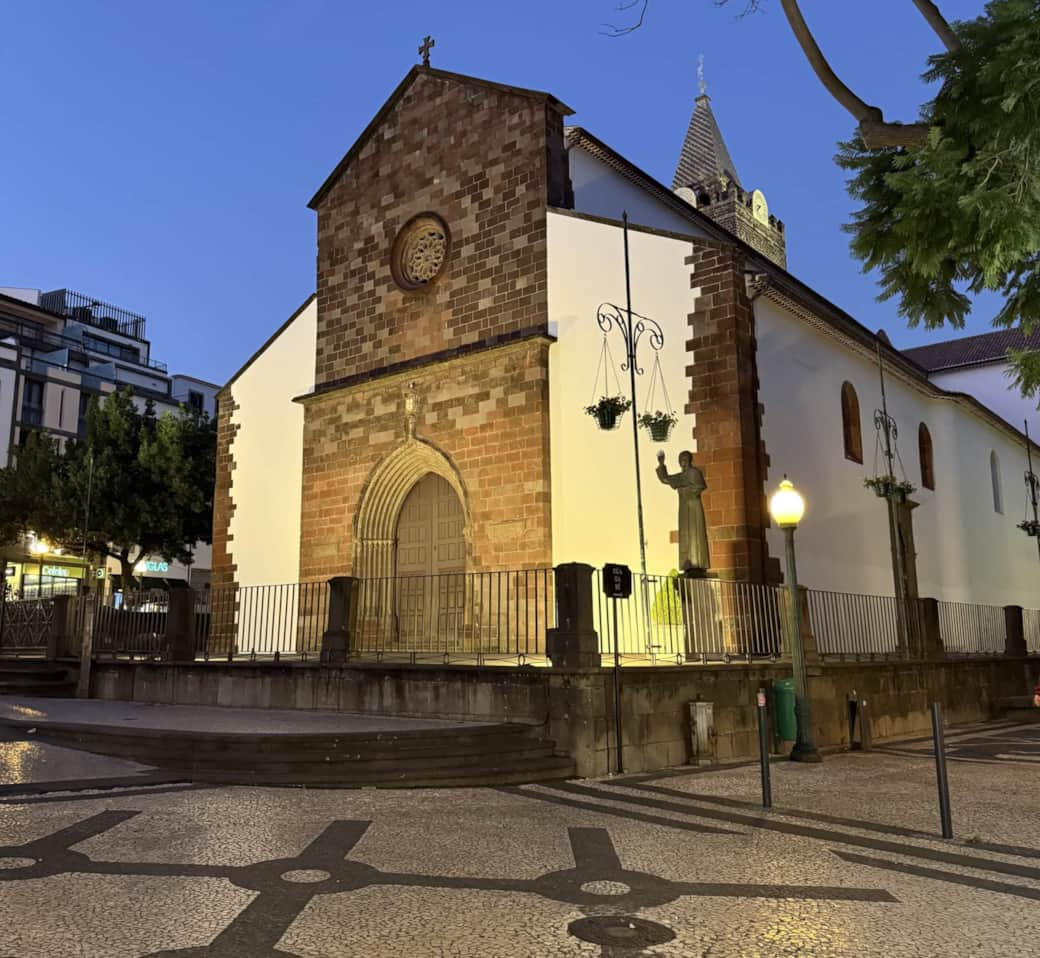
Sé Catedral do Funchal
Funchal Cathedral is the symbol of the historic city centre and Madeira's most important religious monument. Construction began in 1493, commissioned by Duke Manuel (the future King Manuel I), and was completed in 1514. Its architecture blends late Gothic with the Portuguese Manueline style. The whitewashed walls and dark basalt stonework give it an austere yet elegant look.
Its greatest treasures are inside: a Moorish-inspired (Mudéjar) ceiling carved from Madeiran cedar in intricate geometric patterns, and the gilded woodwork of the high altar. Both recall the island's golden age, when the sugar trade brought great wealth to Madeira.
Having escaped major destruction over the centuries, it is one of the few buildings on the island to survive almost in its original form from the early days of settlement.
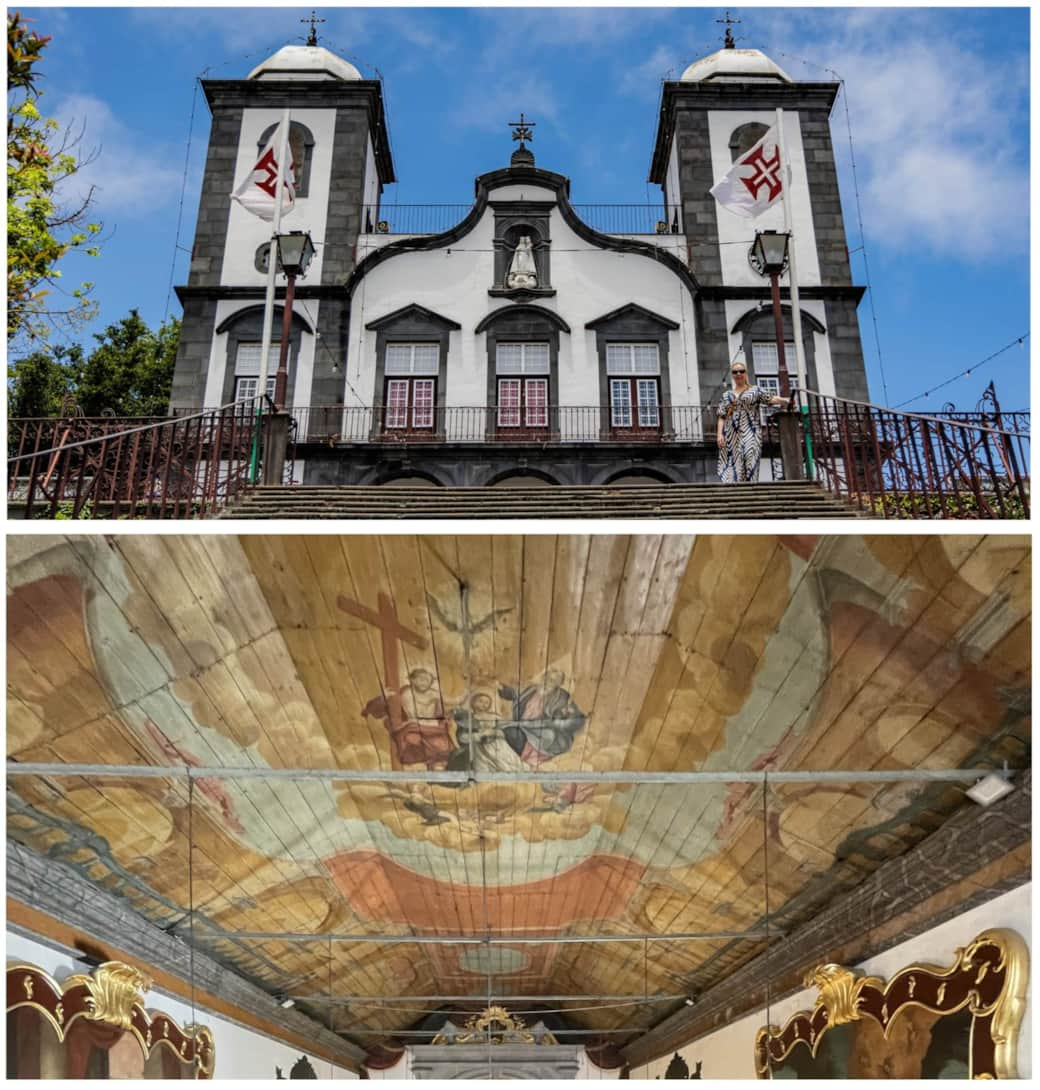
Igreja de Nossa Senhora do Monte
Madeira's most important pilgrimage church stands above Funchal at an altitude of around 550–600 metres. The present twin-towered church was rebuilt after the earthquake of 1748. Its grand staircase offers wonderful views over the Bay of Funchal.
Its most notable historical feature is that it is the final resting place of Charles IV, the last King of Hungary (Charles I as Emperor of Austria), who died in exile on Madeira in 1922. He was beatified by the Catholic Church in 2004. The church also houses a small statue of Our Lady of Monte, the island's patron saint, which is believed to work miracles. Every year on 15 August, the Feast of the Assumption, the church hosts the island's largest religious festival, drawing thousands of pilgrims.
The famous wicker toboggans (carros de cesto) start just below the church steps. They are steered down the steep streets by drivers dressed in white with straw hats. The easiest way to reach the church is by cable car (Teleférico do Funchal) from Funchal's Old Town.
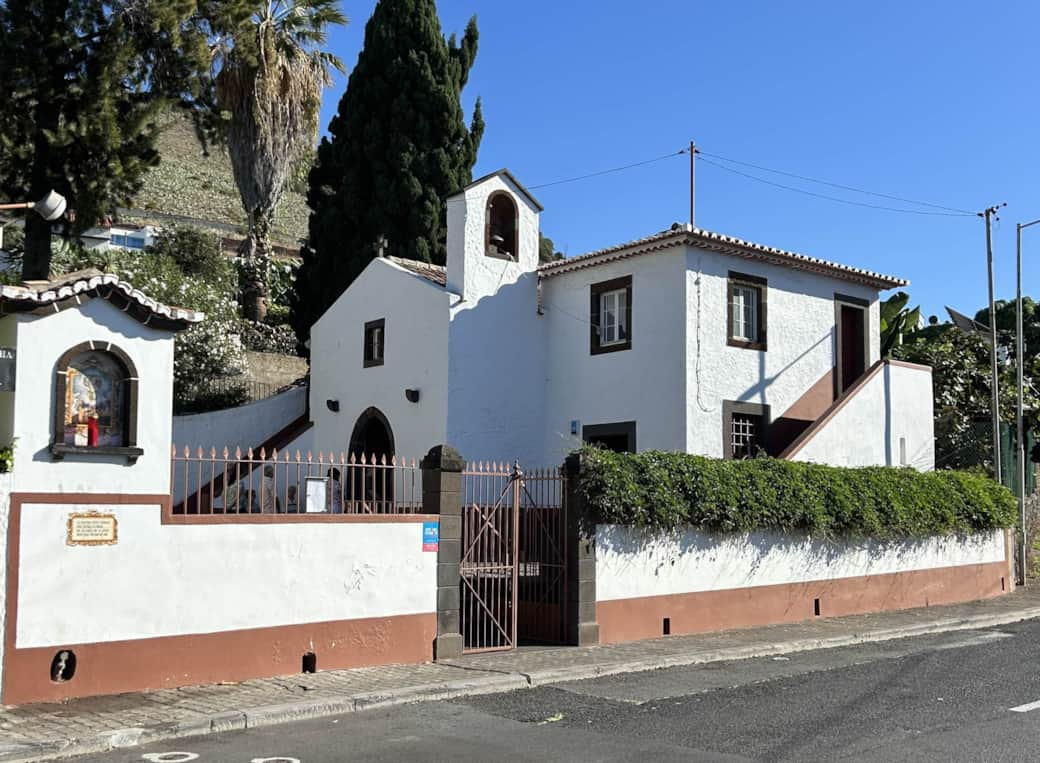
Capela de Nossa Senhora da Ajuda
This is the closest chapel to the apartment, about a 10-minute walk away. It was founded in 1540 by the knight António Favila and his wife, D. Maria de Vasconcelos, a great-granddaughter of João Gonçalves Zarco. It is the oldest chapel in the parish of São Martinho, the surrounding neighbourhood (Sítio da Ajuda) takes its name from it, and it has belonged to the same family since it was founded.
It is a simple building in vernacular style, with whitewashed walls, grey local stone trim and a pointed-arch doorway. The interior is modest but holds some fine decorative pieces, including oil paintings and gilding from a 1794 restoration. Once surrounded by vineyards and country estates, the chapel keeps the quiet charm of old Madeira alive in today's Ajuda district of hotels and homes. As it is privately owned, you may find it closed.
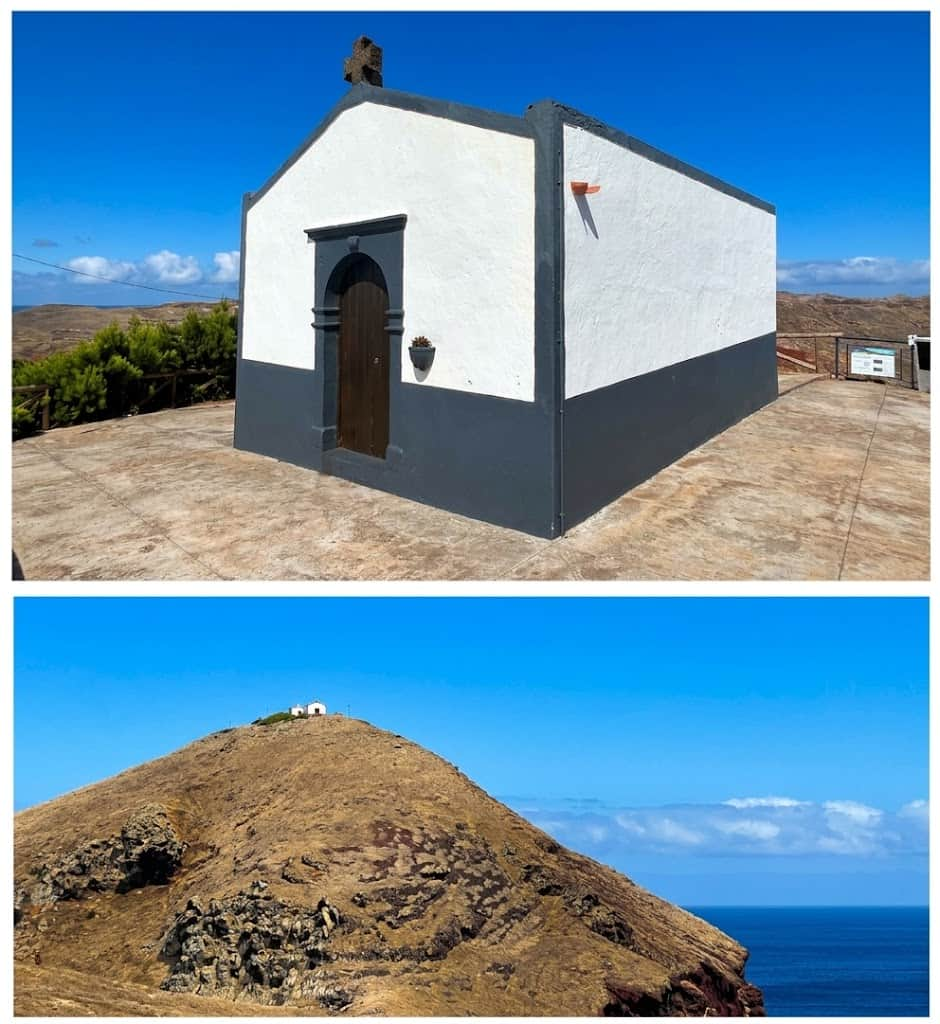
Capela de Nossa Senhora da Piedade
This chapel stands at the eastern tip of Madeira, between Caniçal and Quinta do Lorde, on a hill (Pico da Piedade) above Prainha beach.
A winding, zigzag footpath leads up to it, and the summit rewards you with breathtaking 360-degree views of the ocean and the rocky Ponta de São Lourenço peninsula.
According to local tradition, it was built by fishermen in gratitude for surviving a storm at sea.
Every September it is the setting for one of the island's most spectacular sea processions. The statue of the Virgin is carried down to the shore and escorted by decorated fishing boats to Caniçal. It is later brought back by sea and carried up the path to the chapel again.
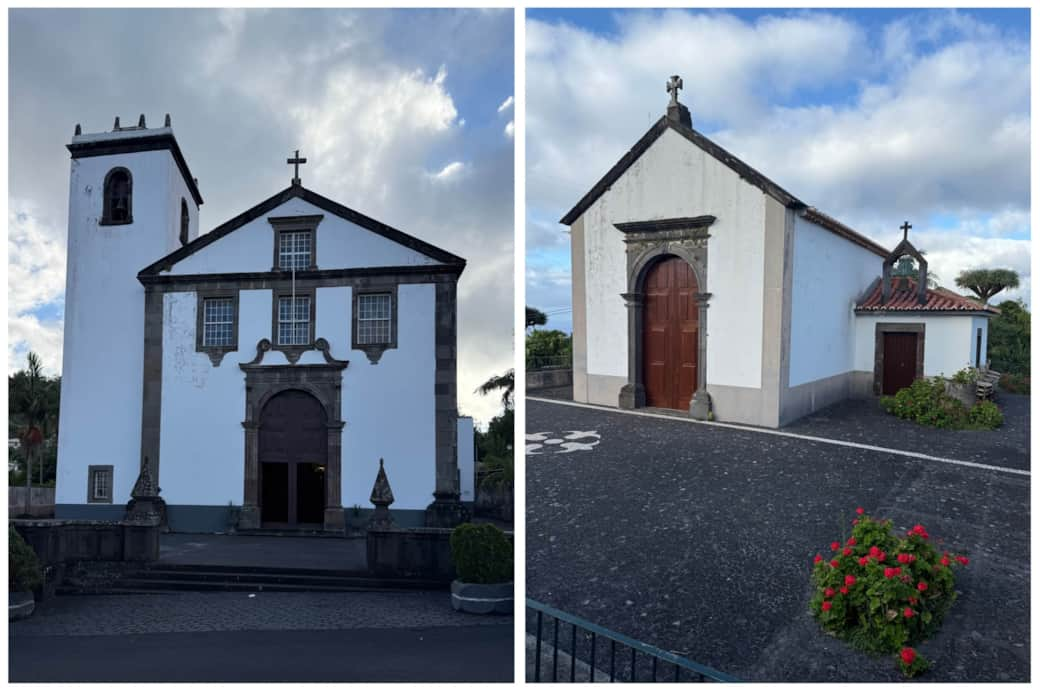
Igreja Matriz de São Jorge
This church stands at the heart of the quiet village of São Jorge on the north coast. Built in the 18th century, it is one of Madeira's finest Baroque churches and the most important religious monument on the north coast. Its whitewashed walls and dark volcanic stone details stand out strikingly against the green hillsides around it.
The interior is stunning, with lavish gilded woodwork (talha dourada) and fine altarpieces.
A few minutes' walk from the church is the charming little Chapel of São Pedro (Capela de São Pedro).
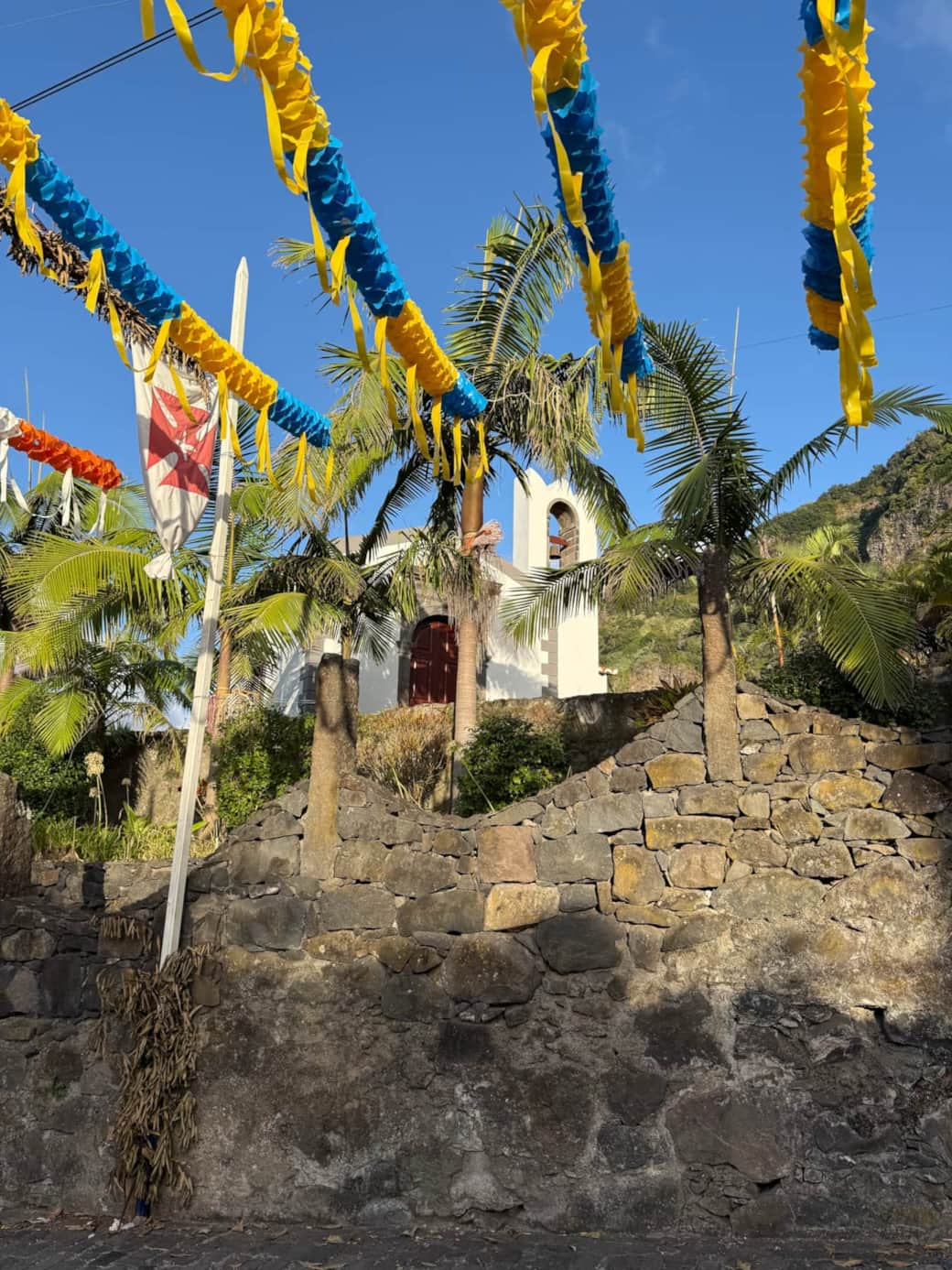
Capela dos Reis Magos
This small chapel in Ponta Delgada, on the north coast, was built in the 16th century and rebuilt in 1778. Plain on the outside, it is richly decorated inside, with a painted ceiling and a gilded wooden altar. Almost abandoned during the 20th century, it was restored in the early 2000s. It is now part of the Casa da Capelinha guesthouse, and visits to the interior can be arranged with the owners. It makes a pleasant, peaceful stop along the winding roads of the north coast.
The village is also home to another notable church: the Igreja Matriz de Ponta Delgada, officially the Igreja do Senhor Bom Jesus. Its history goes back to the 16th century. Ponta Delgada's first settler, Manuel Afonso de Sanha from Braga, brought his home town's devotion to the Bom Jesus with him and founded the first small chapel here. Over the centuries it became one of the island's most important pilgrimage sites, until a devastating fire in 1908 almost completely destroyed it. Rebuilt with the help of the local community, the present church is so large that it feels more like a cathedral than a village parish church. Its image of Christ (Senhor Bom Jesus) is still venerated as its greatest treasure. On the first weekend of every September, it hosts one of Madeira's oldest and most important religious festivals, drawing pilgrims and visitors from all over the island.
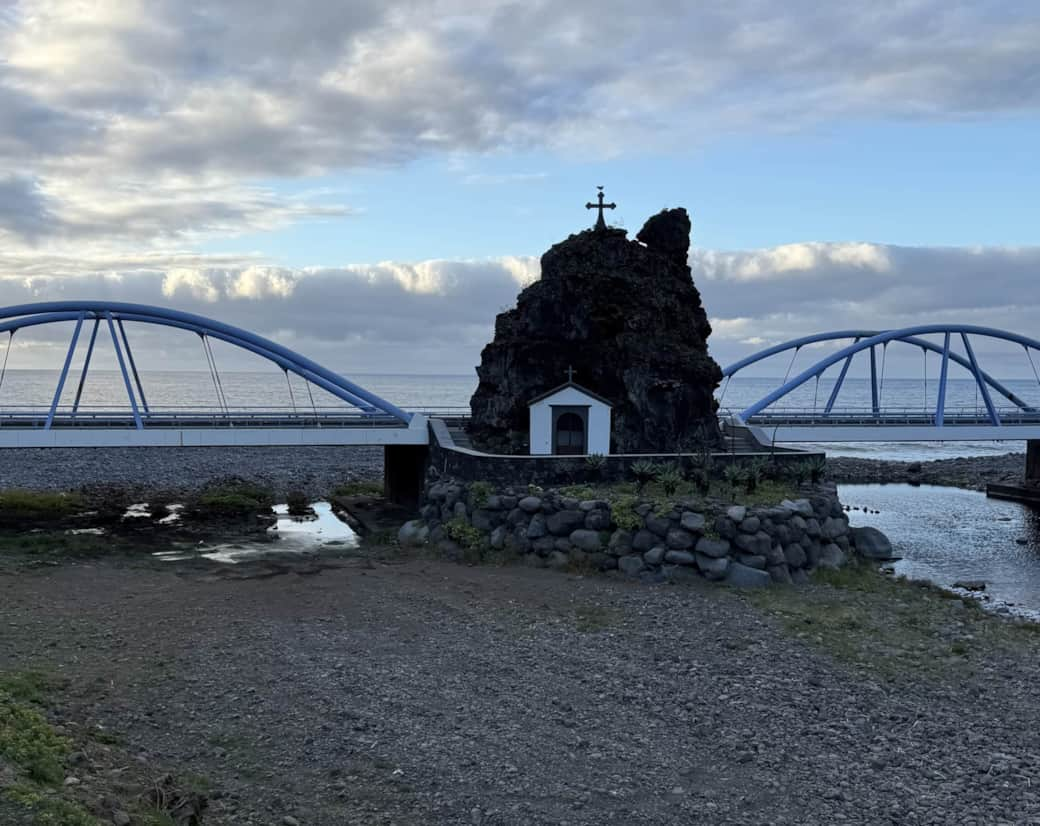
Capela de São Vicente
This little chapel stands in one of the most remarkable spots on the island's north coast, right on the seafront at the mouth of the São Vicente valley.
Built in 1692, the tiny chapel is fascinating for the way it merges with its surroundings: it was built at the foot of a coastal rock and partly carved into the rock itself, on the spot where, according to local legend, the village's patron saint, Saint Vincent, appeared.
Standing where the river meets the rolling sea, the little building has a truly unique and dramatic atmosphere.
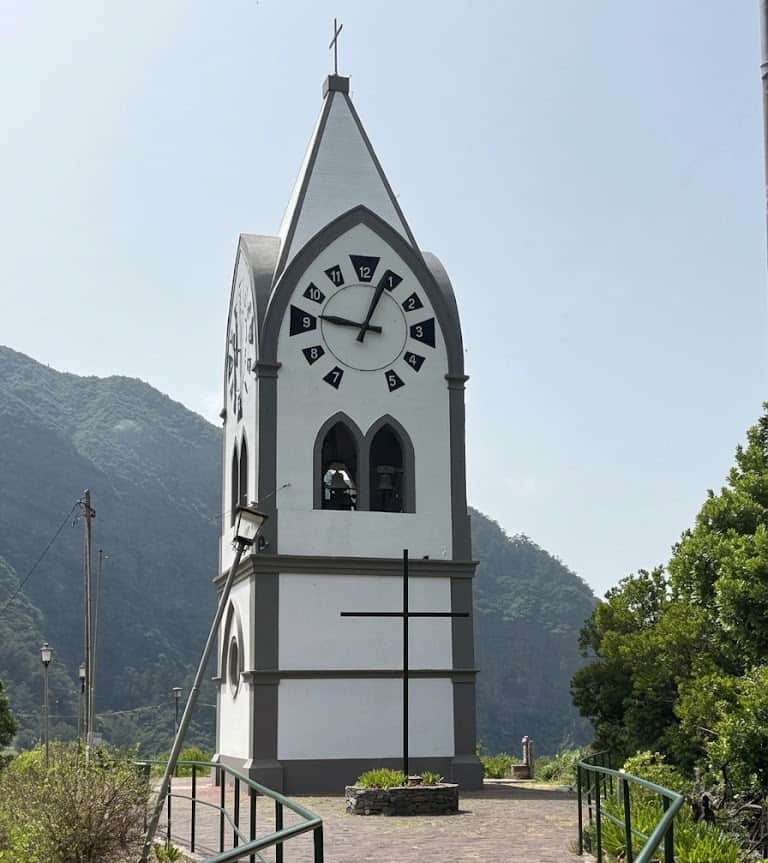
Capelinha de Nossa Senhora de Fátima
Perched on top of Pico da Cova, a hill above the São Vicente valley, this little chapel is one of the symbols of São Vicente. Anyone travelling along the north coast is almost bound to notice it, as it can be seen from all over the valley. Its shape is quite unusual: rather than a nave with a tower, the entire building is a slender white Neo-Gothic tower. Each of its four sides ends in a pointed gable with a large clock, with twin bell openings below.
The chapel was built in the 1940s in thanksgiving for the end of the Second World War.
Around 175 steps lead up from the village to the hilltop. The climb is well worth it: the summit offers sweeping 360-degree views over the winding São Vicente valley, the densely forested mountains, the white houses scattered across the slopes and the Atlantic Ocean. The chapel is usually closed, but you can look inside through the glass door. On the altar stands a statue of Our Lady of Fátima, alongside images of the Sacred Hearts of Jesus and Mary.
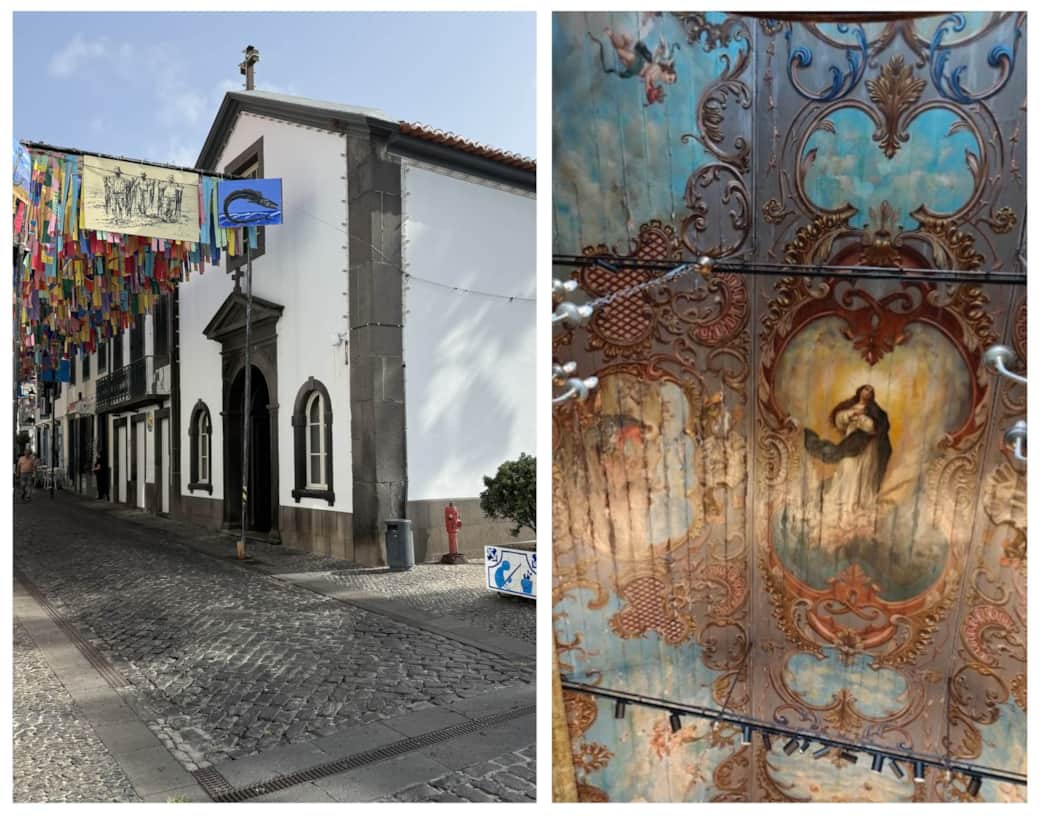
Capela Nossa Senhora da Conceição
This chapel stands in the heart of Câmara de Lobos, right next to the fishing harbour. It is considered one of the oldest chapels on Madeira: tradition holds that the first version was built in the early years of settlement, and it took its present form in a later rebuilding. Its history is closely tied to the village's fishing traditions and the prayers of fishermen heading out to sea.
The exterior is simple, with clean whitewashed walls. Inside, the small space is centred on a lavish gilded Baroque altar (talha dourada), and the old painted wooden ceiling is also beautiful.
Its setting gives it a special atmosphere: from beside the chapel you look straight out onto the colourful fishing boats and the steep cliffs of the bay. Winston Churchill painted this very view during his stay on Madeira in 1950.
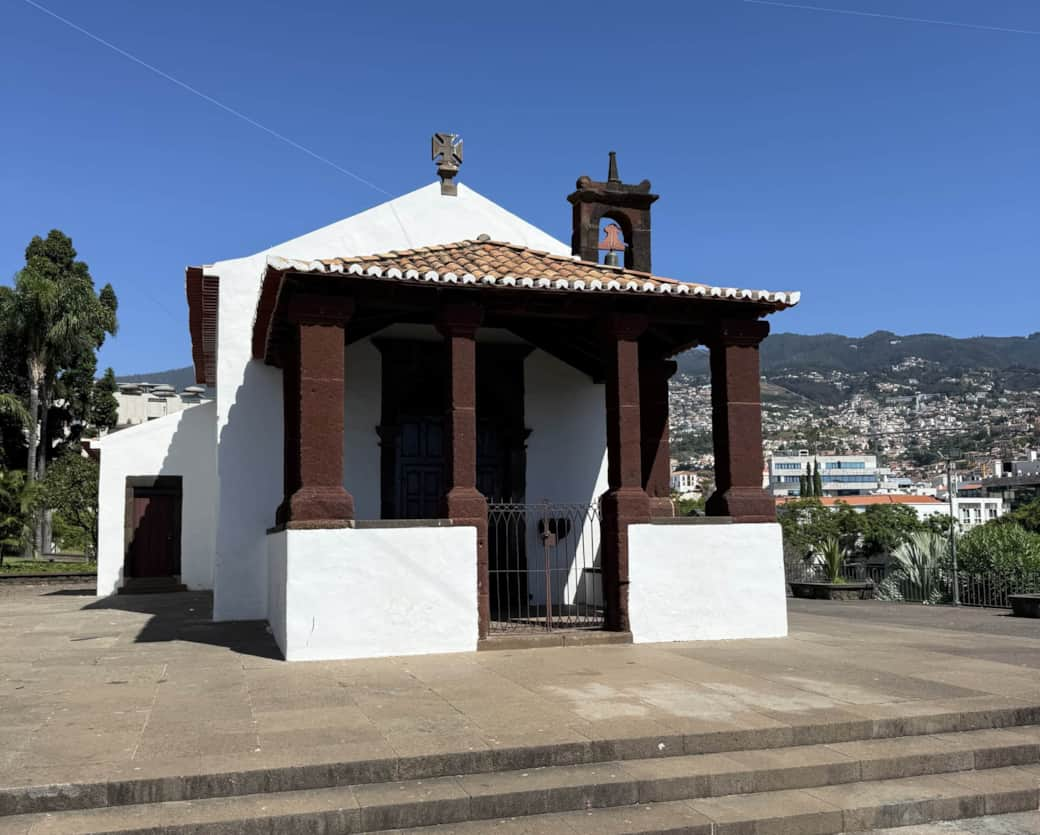
Capela de Santa Catarina
The Chapel of Saint Catherine is one of Funchal's oldest places of worship and stands in Santa Catarina Park on the edge of the city centre. It was first built in wood around 1425 by Constança Rodrigues, wife of João Gonçalves Zarco, one of Madeira's discoverers and Funchal's first captain. This makes it one of the very first places of worship on the island.
The wooden building was later rebuilt in stone, and the present chapel shows both Gothic and Manueline features. The simple, white chapel is special for its setting: from its vantage point in the park, there are beautiful views over the harbour and the Atlantic.
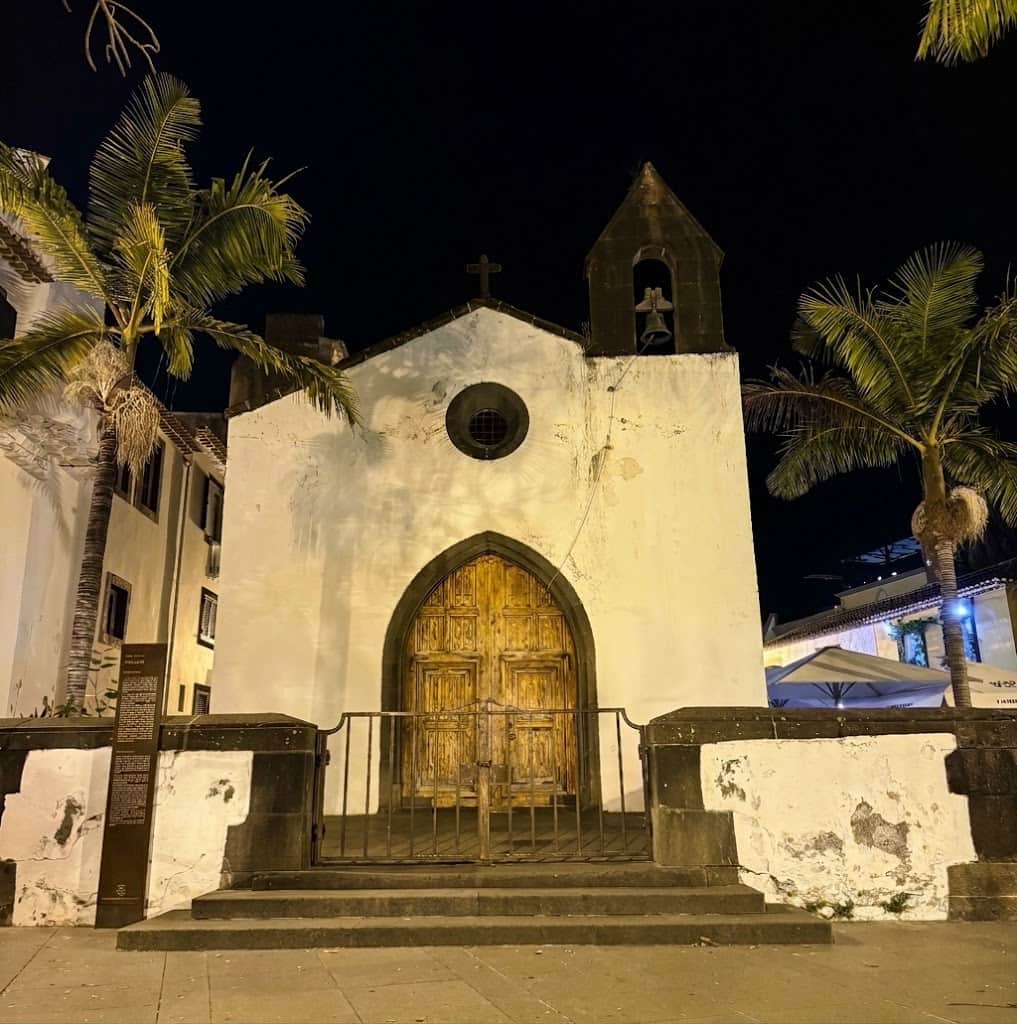
Capela do Corpo Santo
One of the oldest and most atmospheric churches in Funchal's Old Town (Zona Velha), this chapel stands on Largo do Corpo Santo at the edge of the old fishing quarter, just off Rua de Santa Maria. It was built in the late 15th century by local fishermen in honour of their patron saint, Saint Peter Gonzalez Telmo. Portuguese sailors called this 13th-century Dominican friar "Corpo Santo" (Holy Body).
For centuries the chapel was far more than a place of worship. It was home to Madeira's oldest religious confraternity, a mutual aid society for fishermen and sailors. The brotherhood cared for the sick, helped victims of shipwrecks and pirate attacks, buried its dead, and supported the widows and orphans of men lost at sea.
The simple, whitewashed, gabled façade features a carved Gothic doorway, the oldest part of the building. The chapel was remodelled in the 16th century but kept its Gothic structure. Behind the modest exterior lies a richly decorated interior with gilded carved altars, Manueline sculptures and a painted ceiling.
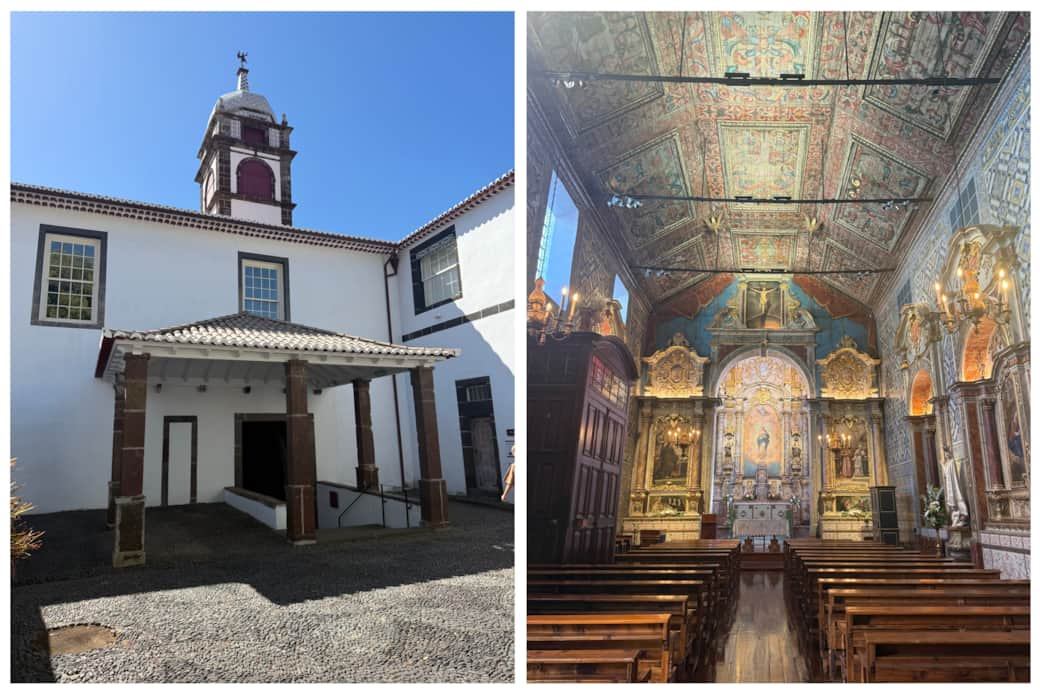
Convento de Santa Clara
The Convent of Saint Clare is one of the most valuable monuments in central Funchal. It was founded in the late 15th century by Zarco's son, João Gonçalves da Câmara, for the Poor Clare nuns. Its novices came mostly from the island's noble families, and for centuries the convent was an important centre not only of religious life but also of local culture and art. At the heart of the complex, which combines Gothic, Manueline and Baroque elements, lies a quiet cloister, still an oasis of peace in the bustling city. The church interior is decorated with historic tiles (azulejos), including rare Hispano-Moresque pieces, a painted wooden ceiling and a gilded high altar.
The island's discoverer, João Gonçalves Zarco, is buried here. The convent is still in religious use, so check visiting hours in advance.
Igreja de São Pedro
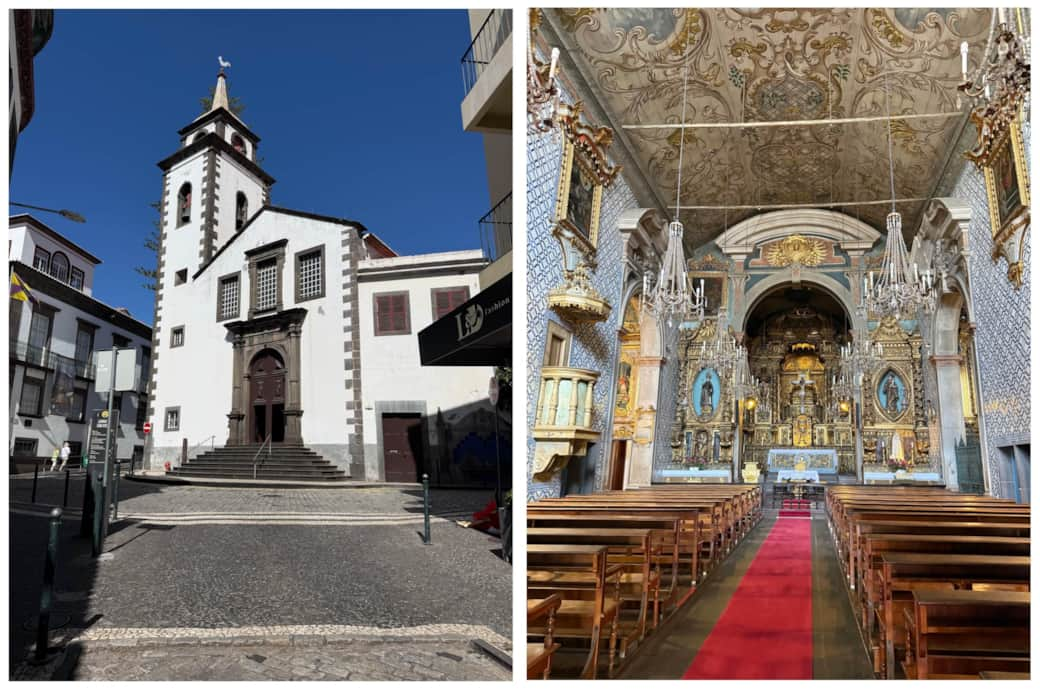
This church has one of the richest interiors in central Funchal. Construction began in the late 16th century, and thanks to later decoration it combines Mannerist and Baroque features.
Behind its modest façade of white walls framed in dark volcanic stone lies a stunning interior. The walls of the nave are covered almost to the ceiling with blue-and-white Portuguese tiles (azulejos) in a geometric pattern. They contrast strikingly with the lavish gilded woodwork (talha dourada) of the high altar and side altars. Overhead is a painted wooden ceiling with golden Baroque scrollwork and floral motifs, and at its centre the papal tiara, the symbol of Saint Peter. Crystal chandeliers and paintings in gilded frames complete the festive effect. The bell tower is also clad in tiles on the outside.
Capela de Nossa Senhora dos Anjos
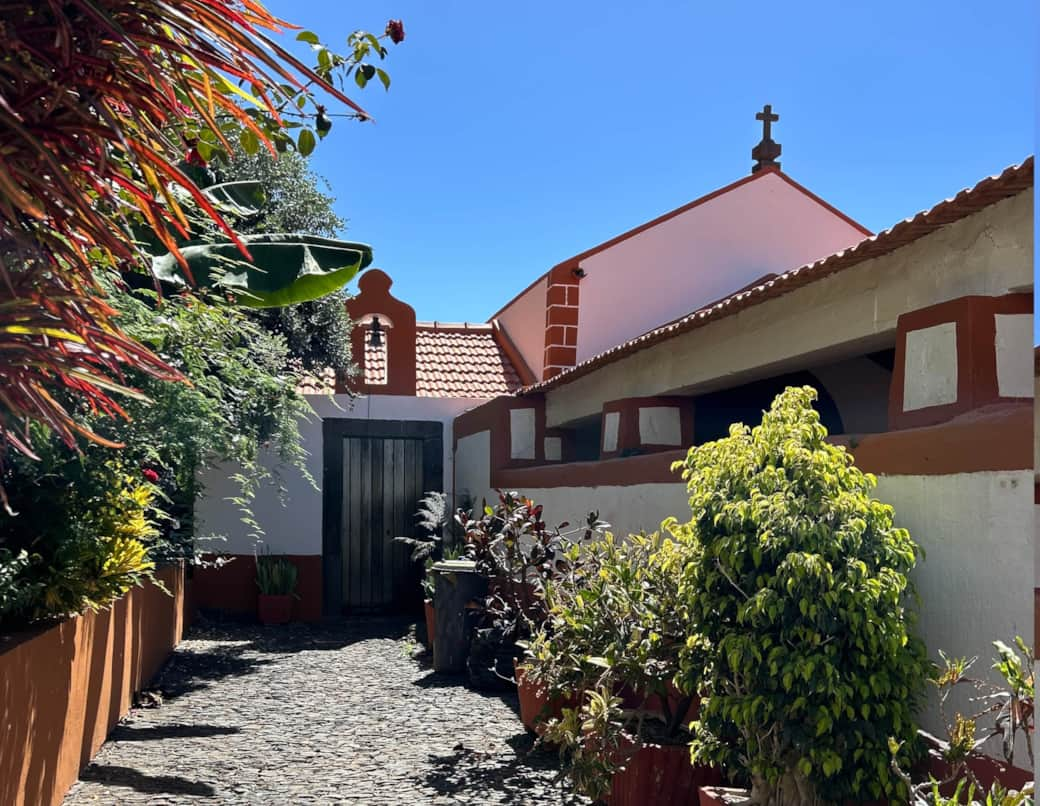
Tucked away on Madeira's southern slopes near Canhas, this chapel lies far from the busy tourist routes in peaceful, picturesque surroundings. The little chapel is a charming example of the island's traditional architecture and religious heritage. With green terraced fields all around and the ocean in the distance, it is the perfect place to slow down and enjoy the beauty of the countryside.
Combine your visit with two nearby waterfalls, Cascata dos Anjos and Cascatas Gémeas. You can read more about them on our Waterfalls page.
Capela de Rabaçal
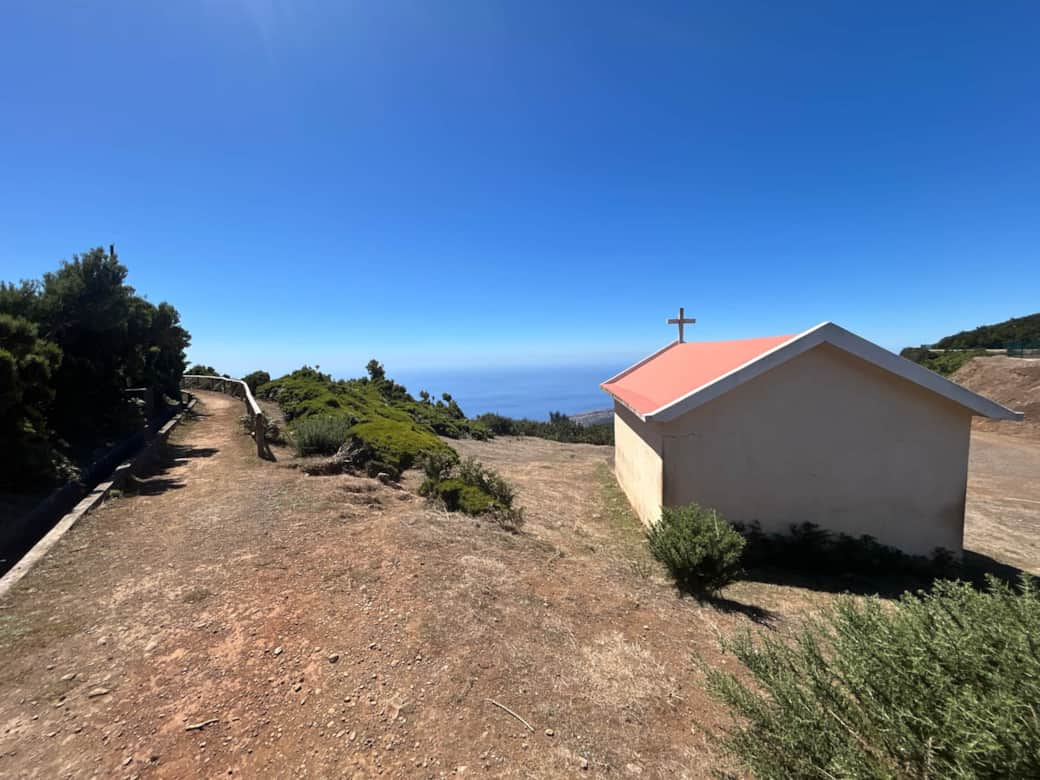
This neat little chapel stands on an open, grassy plateau in Madeira's western highlands, close to the popular trails around Rabaçal. With its bright white walls, pointed gable topped by a cross and blue arched door, it is a simple yet striking sight. Often its only company is the cattle grazing freely nearby. Set between deep blue skies, green meadows and heather-covered hills, it is surrounded by a real sense of peace. It makes a pleasant stop before or after a hike, and shows how different the island looks up on the plateau compared with the coast.
Igreja de São João Evangelista do Colégio
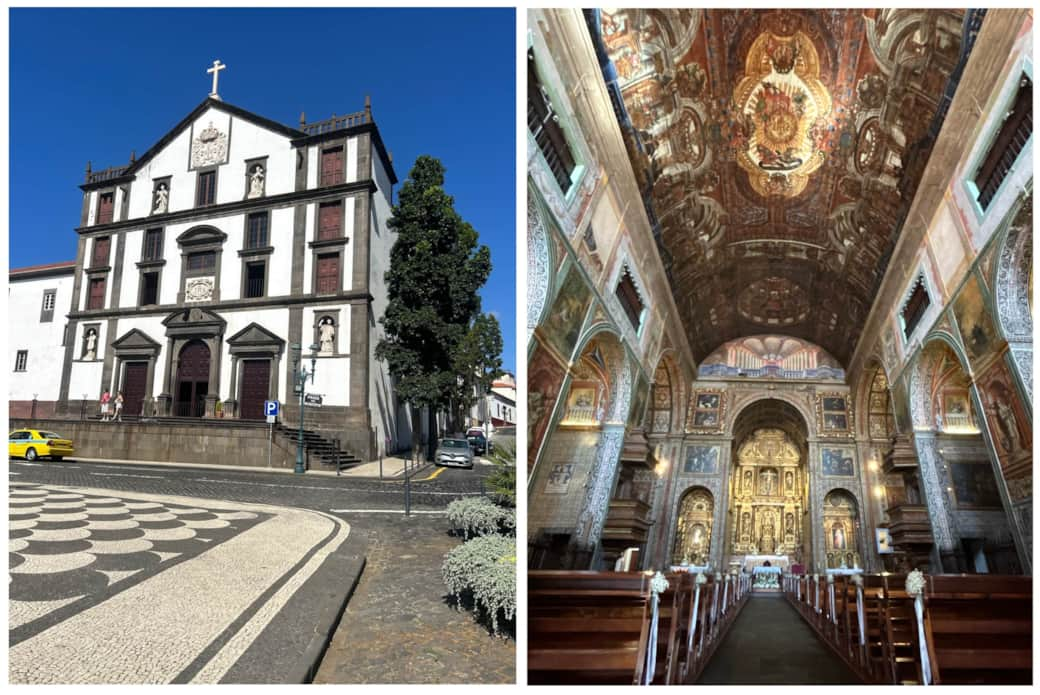
This beautiful church stands in the heart of Funchal on Praça do Município and is one of the island's most magnificent Baroque monuments. The church and its college were built by the Jesuits in the 17th century. The façade may look restrained at first glance, but the interior holds extraordinary artistic treasures. Stepping into the nave, visitors are struck by the vast gilded wooden high altar and the 17th–18th-century tiles covering the walls. The fine detail of the side altars reflects the best of Portuguese Mannerism and Baroque.
The church tower is open to visitors, and from the top there are wonderful views over Funchal's rooftops and Old Town.
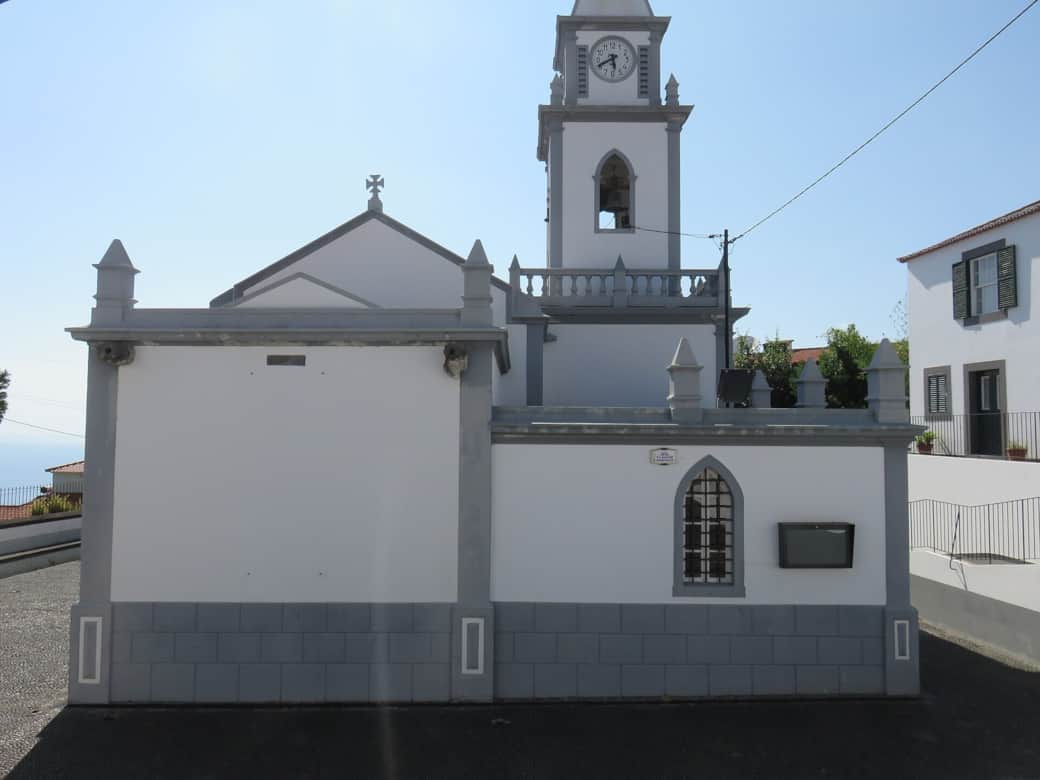
Capela de Nossa Senhora do Loreto
This chapel in Arco da Calheta is one of Madeira's oldest and most valuable monuments. It was built around 1510 by D. Joana d'Eça, wife of Zarco's grandson Pedro Gonçalves da Câmara, originally as the chapel of the family estate. Its rarest treasures are the carved Manueline stone doorway, a Renaissance marble holy water font from around 1530, and an octagonal Mudéjar (Moorish-inspired) wooden ceiling painted in blue and white, which is exceptionally rare on Madeira. The surroundings offer beautiful views of the ocean and the terraced hillsides.